The morning sun spills over the hills above San Marino, painting the streets with a quiet gold. It’s the kind of day that makes a landscape contractor want to grab a shovel and go to work, not because there’s an urgent job, but because the terrain itself seems to call for shaping. In this enclave of curbs and casitas, curb appeal is more than first impressions. It’s a dialogue between hard lines and soft textures, between drought-tolerant philosophy and lush, enduring beauty. I’ve spent more than two decades in this mix of Italianate gates, terraced yards, and hillside challenges, and I’ve learned that the delicate balance of San Marino landscaping comes down to three core ideas: design empathy, material honesty, and maintenance intent.
If you’re a homeowner chasing that magazine-worthy exterior, or a fellow contractor trying to understand what sets a San Marino landscape apart, you’ll find much of value in what follows. This piece is built from hard-earned days on hillside properties, from conversations with clients who want outdoor spaces that feel like they belong to the house and the climate, not like a rented stage set. It’s about the careful craft of a San Marino landscape design that ages gracefully, defies drought, and stands up to the neighborhood’s Santa Anita winds and winter rainstorms with quiet resilience.
A landscape in this part of California is never just about plants. It’s about the choreography between soil, water, stone, and sun. It’s about how a space reads from the street, how it expands or contracts the sense of room, how it guides you to a door, a courtyard, a view. That perception starts long before the first shovel breaks soil. It begins with listening. The best San Marino landscape design-build teams listen to how a family uses the space, what time of day they want to linger outside, and how they imagine the house meeting the outdoors in different seasons. They listen to the microclimates on each slope, the way wind travels along a hillside, the way the sun shifts the color of a stucco wall. And then they design with intention rather than trend.
The terrain above San Marino often comes with a story of elevation and drainage. A hillside demands careful attention to water movement. Without thoughtful drainage solutions, even the most dramatic plantings can become distressed after a heavy rain, leaving muddy footprints across a newly paved terrace or a patio that feels more like a slip-and-slide than an outdoor living room. A professional San Marino landscape contractor knows how to read the slope, where to place catch basins, and how to integrate drainage into the aesthetic fabric of the yard. It isn’t glamorous at first glance, but it is essential. When executed well, it becomes invisible, letting beauty rise from the ground rather than fighting gravity.
In such neighborhoods, every project benefits from a strategy that respects the existing architecture. The best hardscaping in San Marino tends to be restrained rather than showy. It uses natural materials that weather gracefully and age into a patina that looks intentional. Pavers, for example, must be chosen not only for their color and texture but also for their load-bearing capacity, outdoor durability, and the way they interact with lighting. A paver that looks striking under construction can become a maintenance headache if it traps moisture or shifts after a season of heavy rainfall. The right paver installation recognizes these realities and chooses a solution that stays true to the home’s character while performing on the practical side Ridgeline Outdoor Living year after year.
Let me tell you about a project that stayed with me for years after the last shovel of soil was moved. A hillside property in the San Gabriel foothills, but typical of the San Marino landscape palette in its restrained elegance. The homeowners wanted a front yard that announced its refined taste without shouting. They disliked over-ornate Mediterranean features, preferring something that felt modern but rooted. We started with a broad sightline from the curb, guiding the eye toward the front door through a series of terraces that followed the natural grade. We integrated a low retaining wall with clean lines and a warm, sun-bleached color that harmonized with the home’s stone accents. The wall became a seating edge in one corner and a planted edge in another, a practical element that also read as architecture. On the ground, drought-tolerant plantings and small meadow grasses shifted in color through the seasons, providing movement without demanding constant care. The result was a curb appeal that looked sophisticated from the street, yet was easy to maintain and resilient to the region’s long dry spells.
A lot of the craft in San Marino landscape construction happens below the surface. When you’re working on hillside spaces, you’re dealing with soil stability, drainage, and the way water will migrate across the grade in a winter storm. You want to encourage water to percolate where you want it to, not where you don’t. In practice, that means building gentle swales, installing perforated drainage lines that drain to a designed outlet, and selecting soils that provide good structure without inviting erosion. The best landscape designers in this area do not treat drainage as an afterthought. They treat it as a design constraint that, if handled well, becomes a silent advocate for the entire outdoor space.
A crucial layer of any San Marino project is the outdoor living component. Here the patio is not a separate room but an extension of the house, a place where family life unfolds with the same care as the interior. I’ve built outdoor kitchens that feel like a natural continuation of indoor cooking, with stone counters that echo the home’s interior features, stainless steel appliances that resist heat and humidity, and lighting that makes evening gatherings comfortable without feeling like an airport runway. We use warm, earthy tones in the masonry and choose furniture that holds up to sun exposure without losing comfort. When you design an outdoor living space landscaping guides with this approach, you’re not simply installing a patio. You’re constructing a daily retreat where the boundary between inside and outside blurs in a way that invites use in every season.
The plant palette is the living soul of a San Marino landscape. Keep in mind that drought tolerance is not a single plant category but a design constraint that influences every planting choice. A robust climate-appropriate palette blends evergreen backbone with seasonal color for year-round depth. The best selections include low-water-use natives and ornamentals that have proven performance in our local microclimates. You’ll see lavender or ceanothus for color and fragrance, olive and yucca for sculptural form, and groundcovers that hold soil and require minimal irrigation. But there is a balance to strike. Too many soft textures can read as a watered-down look. Too many hard textures can feel austere. The art is in layering: a stone edge here, a swath of ornamental grasses there, a few flowering perennials for a pop of color against a backdrop of evergreen structure. The landscape should evolve, not become static, with some areas maturing faster than others—providing a narrative from year to year.
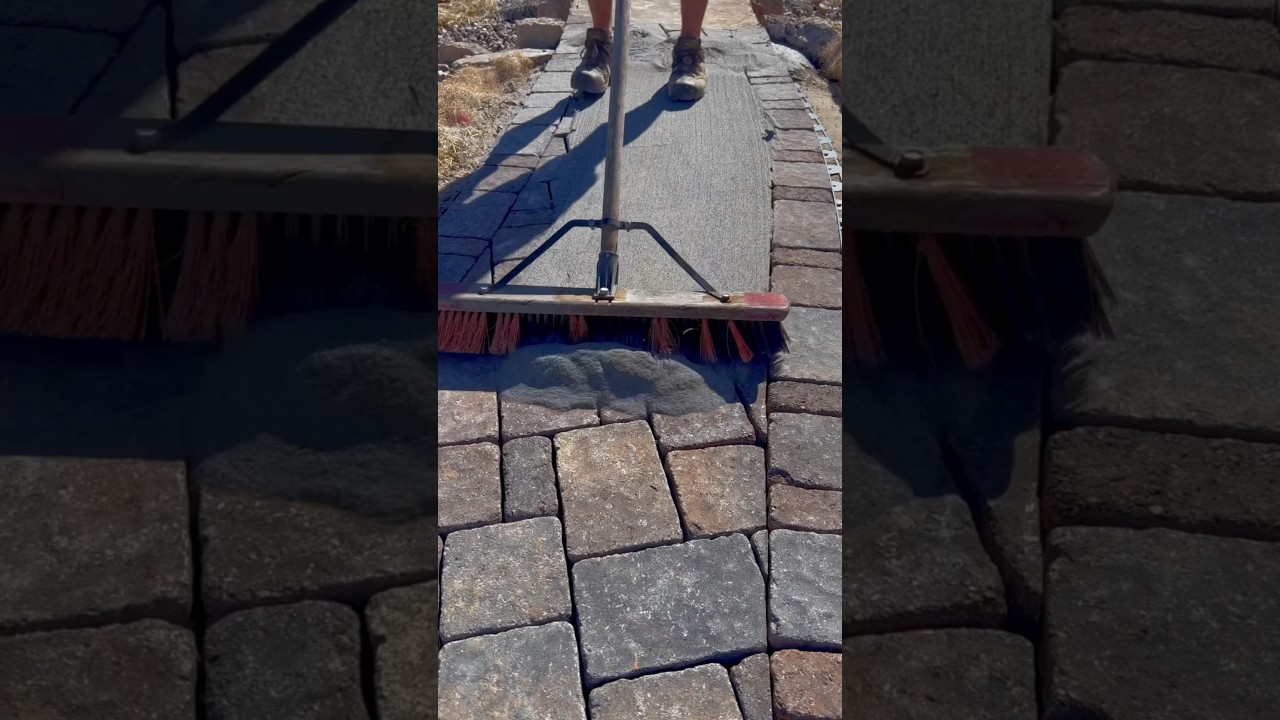
In practice, the process of delivering stunning curb appeal in San Marino unfolds like a careful conversation with the property. It begins with a thorough assessment of the site: grading, drainage, sun exposure, microclimates, and the relationship to adjacent properties. It proceeds to a design phase where the home’s architectural lines and materials guide the material palette for hardscaping and the form of planting beds. Then, as with any successful project, there is a robust construction phase that insists on precision: precise trenching for irrigation lines, careful compaction so paver bases do not shift, and clean, professional grouting that locks in color and prevents weed growth. The final phase is a thoughtful aftercare plan, because a striking landscape does not reach its full potential the moment you finish installation. It matures, stabilizes, and adapts to shifting seasons with the help of seasonal pruning, mulching, and irrigation programming.
I’ve learned to value a few practical truths that guide every decision, from the first pencil sketch to the last edge punch of a lawn mower. Truth number one: water is the most scarce and precious resource, and every landscape has to use it wisely. If a customer’s aim is a lush look with a small footprint, we lean into deep irrigation scheduling, soil improvement, and choosing plant materials that thrive on a native rainfall pattern plus a measured supplemental pour. Truth number two: a landscape should feel generous at the curb while staying compact on the property line. In San Marino, lot sizes often favor compactness, so space planning is not about cramming more plants into a small area; it’s about making each element earn its place and leave more room for the essential experiences—the welcome, the walk, the view, the shadowed seating niche. Truth number three: the most compelling curb appeal is not merely visible; it’s legible. People should be able to tell, from the street, what the space is for and how it relates to the house. A front yard with a clear path to the door, a seating area framed by a modest water feature, a low wall that reads as a final piece of architecture—these details speak without shouting.
A lot of homeowners come to us with a picture of what they want, and you can see it in their eyes: they want a landscape that feels timeless, not tied to a single trend. The trick is translating that desire into something more durable than fashionable. That means focusing on scale, proportion, and the way materials weather together. For example, a prominent feature of San Marino hardscape design is the careful use of stone and brick that ages evenly. The color of the stone should harmonize with the home’s exterior color and not radiate out in a way that competes with it. A common pitfall is selecting stone that is too pale or too glossy; it creates an artificial contrast that you notice every time you pull into the driveway. The right choice anchors the home in its setting and readies the space for the artful growth of plantings over the years.
When you consider the long view, you begin to see the importance of a reliable maintenance framework. A well-designed yard in San Marino deserves a maintenance plan that respects the original intent while accommodating life as it evolves. This includes a seasonal pruning schedule for roses and deciduous trees, a fertilizer plan that respects soil health and water restrictions, and a smart irrigation routine that optimizes moisture without encouraging disease. The maintenance plan becomes part of the design itself, a living agreement between the homeowner and the landscape team that ensures the outdoor space remains meaningful and beautiful for years to come. It’s not enough to plant well and install well; you must plan to care well.
As I think about the work we do in San Marino, there’s a sense that every project is a conversation about balance. Balance between the built and the natural, between the visible and the quiet, between water use and drought tolerance. It’s a balance that is navigated with careful material choices, precise execution, and a long view toward adaptation. For some clients, this means working within a modest budget while achieving a refined look with strategic improvements. For others, it means a more expansive front yard landscaping that creates a new sense of arrival, a more generous driveway edge, or a series of terraces that reveal new views from different height perspectives. In all cases, the goal is to deliver a space that looks and feels inevitable—the kind of curb appeal that makes a house feel solved, finished, and ready to welcome guests without relinquishing a sense of place.
In San Marino, a landscape is not simply an afterthought to a home; it is part of the home’s character. The curb becomes a first sentence in a longer story about family life, outdoor living, and the rhythm of daily routines. It speaks in quiet tones of bloom and stone, not loud declarations of wealth or trend. The right landscape contractor will not shout about their own expertise; they will let the space speak for itself. They will present options with clarity, explain trade-offs in plain language, and show a willingness to revise plans when fresh information comes to light or when a client’s needs shift. They will bring a portfolio of local experience, a track record of projects that prove stability under pressure, and a set of references that attest to reliability in a place where the weather and the hillside ask a lot from the earth and the people who work it.
To illustrate the specificity of what a San Marino landscape designer and contractor bring to the table, consider a few defining traits that recur across successful projects:
First, a respect for microclimates. A hillside can be bright and breezy in one corner and shaded and damp in another. A thoughtful plan places sun-loving perennials in the sunny pockets and containerized or potted plants in places that need a quick refresh without major excavation. The gardener’s eye for where a plant will truly thrive over the course of a year makes the difference between a yard that looks good for six weeks and a yard that earns admiration year after year.
Second, a disciplined approach to hardscape alignment. The edges of a patio, the line of a retaining wall, the sweep of a walkway—all these elements should line up with architectural features of the home. When that alignment is off, the space reads as a separate stage rather than a coherent extension of the house. A good contractor will measure multiple times, cut once, and explain to the client why a slight adjustment in offset or radius matters.
Third, lighting that is both practical and atmospheric. In San Marino, lighting design must account for security and safety, but it should also serve as a nighttime sculpture that reveals textures and plant forms without glare. We favor warm color temperatures and layering—path lights along a stepping stone path, uplights to emphasize a mature tree, and a subtle backlit wall that softly outlines architectural lines from dusk to late evening.
Fourth, a materials strategy that embraces durability and maintenance logic. From the first sketch, the team considers weather exposure, water run-off, and the ease of replacement if a component wears out. Materials that resist cracking in freeze-thaw cycles, that age gracefully in sunlight, and that are easy to clean make for a yard that holds its value and stays beautiful with less intrusion from upkeep.
Fifth, a client-centered design process. No two homeowners are the same, and the best San Marino landscape companies treat each project as a custom build. That means listening carefully, presenting honest budgets, and offering phased options that allow a family to grow into the space over time. It also means being transparent about the timeline, the steps, and the potential disruptions to daily life during installation. A clear schedule, a realistic contingency plan for weather delays, and an emphasis on safety for both crew and family create trust that translates into a successful, long-term relationship.
In the end, the hallmark of a truly great San Marino landscape is how well it serves the people who live with it. It should support daily rituals—the morning coffee on a shaded patio, the Sunday family barbecue on a warm brick terrace, the after-dinner stroll to admire a new burst of color along a walkway. It should handle the variables of weather with poise, from hot Santa Ana days that demand shade to gentle misty mornings that welcome dew on the leaves. It should maintain its composure after a winter storm or a heavy rain, with drainage that keeps walkways dry and soil that dries efficiently without washing away curves or edges. And, perhaps most importantly, it should feel like it has always belonged to the house, not something that was added as an afterthought or a display of wealth.
As an industry professional who has walked many San Marino driveways at sunrise and sunset, I can say that the most impactful work is the work that respects the environment and the home’s architecture while still inviting the warmth of daily life outside. The curb appeal you long to see starts with a design philosophy that honors drought tolerance, embraces sustainable hardscaping, and anticipates the realities of hillside irrigation and maintenance. It grows from clear communication with homeowners about costs, expectations, and the timeline. It is built with meticulous craftsmanship in every trench, every compacted base, every grout line, and every plant stub that will root and spread to create an enduring presence on the block.
If you’re evaluating a San Marino landscape company or contemplating a landscape renovation, here are a few practical, no-nonsense questions to guide your conversation:
- How do you approach drainage on a hillside site, and can you show examples where you successfully prevented erosion and water pooling? What is your process for selecting a drought-tolerant plant palette that still delivers color and seasonal interest? How do you integrate outdoor living spaces with the home’s architecture, and what are typical finishing touches you recommend for a cohesive look? What is your plan for long-term maintenance, including irrigation programming, pruning, and seasonal plant care? Can you provide a realistic phased approach that aligns with budget milestones and the homeowner’s lifestyle?
In San Marino, every landscape is an ongoing collaboration. The best teams are not just skilled installers; they are problem solvers, artists, and organizers who can translate a homeowner’s aspirations into a durable, scalable outdoor environment. They know that curb appeal is not a single moment of transformation but a continuing conversation between house and yard, between water and soil, between form and function. They understand that the hillside asks for patience, discipline, and a respect for the land that has shaped the neighborhood for generations.
The truth is simple: stunning curb appeal on a San Marino hillside comes from thoughtful restraint coupled with generous, practical details. It comes from designing with intention, not chasing a trend. It comes from a partnership between homeowner and contractor built on clear communication, honest budgeting, and a shared belief in enduring beauty. The result is not merely a yard that looks beautiful the day a photo is taken, but a landscape that becomes a living part of daily life—the kind of space you notice before you notice the house itself, the kind of space that makes a neighborhood feel like home.
If you are about to embark on a project, remember that your front yard is the opening chapter of your home’s story. You want a space that resolves into a calm, elegant presence from the street to the door, a path that invites, a terrace that accommodates gatherings, and a plant palette that remains robust through hot summers and occasional winter rains. You want a space that ages with grace, requires thoughtful maintenance, and rewards your patience with a landscape that strengthens the entire property over time. A well-executed San Marino landscape is an investment in the home’s future, a daily invitation to step outside, and a testament to the craft of those who understand every grade, every stone, and every leaf as part of a coherent, living design.
In the end, curb appeal is a promise kept. It says to a viewer, and to the homeowner, that the space was designed with care, built with skill, and maintained with a clear plan for the years to come. It is a quiet neighborhood luxury that doesn’t demand loud declarations. It simply asks for a moment to pause, to notice the texture of a stone wall catching the light, the scent of lavender lifting from a neatly trimmed bed, the way a shadow falls across a new paver path. And when that moment arrives, you know you have found a landscape that belongs to the hill just as surely as the house sits upon it.

Business Name: Ridgeline Outdoor Living
Address: 845 E Walnut St, Pasadena, CA 91101, United States
Phone: (626) 469-5822
Ridgeline Outdoor Living
Ridgeline Outdoor Living is a Pasadena-based landscape design-build company serving Greater Los Angeles with custom outdoor living, hardscape, and drought-tolerant landscape solutions. The company specializes in patios, retaining walls, outdoor kitchens, drainage, hillside projects, and turnkey landscape construction, handling projects from design and permitting through final build and warranty.
845 E Walnut St, Pasadena, CA 91101, USA
Business Hours:
- Monday – Saturday: 8:00 AM – 6:00 PM
- Sunday: Closed
Follow Us: