A backyard can quietly add tens of thousands of dollars to a home’s appeal, or quietly subtract it. Buyers notice more than square footage. They notice whether the yard feels usable, whether the maintenance looks manageable, whether drainage seems solved, and whether the outdoor space extends the living area instead of acting like an afterthought. Good backyard design does not need to be extravagant to move the needle. It needs to feel intentional.
The homeowners who get the best return rarely chase novelty. They make practical choices that photograph well, age gracefully, and solve real problems. A polished patio, healthy lawn alternatives, mature shade, and smart planting often do more for value than an expensive water feature that needs constant repair. The best landsaping ideas, including the typo many homeowners search with when they are scrolling late at night for inspiration, usually have the same thing in common: they balance outdoor living LLC Arcadia beauty with upkeep.
What buyers and appraisers actually respond to
Backyard value is partly emotional and partly functional. A buyer stepping onto a well-designed patio imagines dinners outside, children playing, a dog with room to roam, a quiet place to sit after work. That emotional reaction matters. At the same time, practical cues matter just as much. If the grading looks off, trees are overgrown, or the irrigation system appears outdated, the space starts to feel like a deferred expense.
In many markets, especially where weather allows outdoor living for much of the year, an improved backyard functions almost like an extra room. It does not get appraised exactly like interior square footage, but it can support stronger offers, faster sales, and less resistance to pricing. I have seen modest homes gain real market momentum simply because the backyard looked finished. Not elaborate, just finished.
That word matters. Finished means there is a clear layout, edges are defined, plants look intentional, and the maintenance burden feels reasonable. Buyers do not want to inherit a project. They want to inherit a space.
Hardscaping is often the backbone of value
If the budget is limited, start with Hardscaping. Plants soften a yard, but hard surfaces organize it. A backyard with no clear seating area or circulation path can feel unfinished even when the plantings are lush. Hardscape elements create the structure that makes a yard usable.
A patio is one of the safest investments. Concrete pavers, natural stone, stamped concrete, and decomposed granite all have their place depending on the home style and climate. The right material depends on drainage, frost cycles, and maintenance tolerance. In a freeze-thaw region, improperly installed pavers can shift. In a hot, sunny climate, dark stone can become uncomfortable underfoot. Material choice should look attractive, but it also has to suit the site.
Retaining walls can also pull more than their aesthetic weight. On a sloped lot, a low retaining wall may turn an awkward incline into usable living space. That is real value because it changes how the backyard functions. Even a simple seat wall around a patio can make a space feel designed instead of improvised.
Walkways matter more than people expect. A narrow, muddy path to a shed or side gate suggests inconvenience. A clean path with proper edging suggests care. These are the details that create buyer confidence. Confidence affects offers.
Outdoor lighting, while often grouped with decor, functions like Hardscaping in the way it defines use. Low-voltage path lights, subtle uplighting on trees, and downlighting over a dining area make the yard feel safer and larger. Lighting also improves listing photos, which has become part of the value equation whether people admit it or not.
The strongest backyard upgrades tend to share a few traits
- They create usable space, such as a patio, dining zone, or fire feature area. They reduce visible maintenance, with clean edging, dependable irrigation, and manageable plant choices. They solve site problems, especially drainage, erosion, poor grading, or harsh sun exposure. They fit the architecture of the house rather than competing with it. They hold up over time without needing constant replacement or intensive seasonal work.
That last point separates a nice yard from a valuable yard. Buyers are quick to sense when something is decorative but fragile.
Planting for value means planting with restraint
Gardening can absolutely increase property value, but not when it turns the yard into a collection. The highest-value plantings usually feel edited. There is a rhythm to them. Repetition of a few strong plants often looks more expensive than a backyard packed with one of everything from the garden center.
Foundation planting principles apply in the backyard too. Start with evergreen structure where the climate allows it, add deciduous plants for seasonal change, then layer in perennials or ornamental grasses for softness. Repeating plant groupings near patios, fences, and paths ties the yard together. A single well-chosen tree can anchor a design more effectively than fifteen scattered shrubs.
Native plants deserve special attention here. They are not just an environmental preference. In many regions, Native plants mean lower irrigation needs, fewer pest problems, and better long-term performance. That translates into lower ownership costs, which buyers increasingly understand. A backyard planted with species adapted to local heat, rainfall, and soil conditions usually looks better in year three than one planted for instant effect without regard to site conditions.
The phrase Low-maintenance gardens gets overused, but the principle is sound. Low maintenance does not mean sterile. It means the plants match the place. In practical terms, that often means fewer thirsty annuals, less finicky turf, and more durable shrubs, grasses, and perennials. It means planning for mature size so shrubs are not sheared into submission twice a month. It means spacing plants so air circulates, reducing disease pressure and the need for constant intervention.
One homeowner I worked with replaced a patchwork of struggling roses, thirsty lawn, and random tropicals with a cleaner palette of native grasses, salvia, dwarf yaupon, and one shade tree. The budget was not enormous. The transformation came from clarity. Maintenance dropped, water use dropped, and the backyard suddenly looked like it belonged to the house.
Trees can add value, but neglected trees can scare buyers
Tree Care is one of the most underestimated parts of backyard value. Mature trees are often a genuine asset. They provide shade, improve comfort, frame views, and make a property feel established. In hot regions, a mature shade tree near a sitting area can dramatically improve livability. In neighborhoods with sparse tree canopy, one healthy mature tree can distinguish a listing.
But trees can also create red flags. Dead limbs over the roof, roots lifting paving, canopies rubbing the house, and poor pruning all suggest future costs. Buyers may not know the biology, but they know risk when they see it.
Professional pruning is worth the money when a tree is prominent or overdue for care. This is not the place for aggressive topping or random cutting. Good Tree Care preserves natural form, removes hazards, and improves long-term health. If a tree is in decline, it is better to address it honestly than hope buyers will overlook it.
New trees can add value too, although they are a longer-term play. Choose species with a mature size appropriate for the lot. Fast-growing trees can be tempting, but many bring brittle wood, shallow roots, or shortened lifespan. Slow and steady usually wins.
Water matters, especially where water is expensive
In drier climates, Water-wise irrigation and Xeriscaping can be direct value boosters. Water costs are not theoretical anymore. Buyers look at utility bills, local restrictions, and how much effort a yard will require to keep alive in summer.
Xeriscaping does not mean a yard full of gravel and cacti unless that genuinely fits the home and region. The best Xeriscaping uses drought-tolerant plant communities, thoughtful spacing, mulch, and targeted irrigation to create a landscape that feels intentional and attractive. In many parts of the country, a smart xeric design now signals modernity and stewardship rather than compromise.
Efficient irrigation is often invisible in a finished landscape, but it matters. Drip systems in planting beds, separate zones for turf and shrubs, pressure regulation, and functioning controllers all help. If the system is outdated, water-hungry, or visibly patched together, the landscape can become a liability. A well-set irrigation schedule that supports plant health without waste is one of those details buyers may not praise directly, but they feel it in the overall quality of the property.
If you are upgrading an older backyard, this is one place to avoid shortcuts. Broken spray heads, overspray onto patios, and soggy corners undercut every other improvement.
Mulching is not glamorous, but it changes how the whole yard reads
Few improvements are as affordable and visually effective as Mulching. Fresh mulch instantly sharpens beds, suppresses weeds, moderates soil temperature, and helps retain moisture. It is one of the fastest ways to make a backyard look maintained before photos or showings.
Garden Mulching works best when it is applied correctly. A modest layer, often around two to three inches depending on the material and existing soil conditions, is enough for most planting beds. More is not better. Piling mulch against trunks, the classic mulch volcano, can cause rot and invite pests. Around trees, keep the root flare visible. Around shrubs, let the mulch breathe.
Color matters too. In most cases, natural-looking mulch supports property value better than heavily dyed material that can look artificial. Pine bark, shredded hardwood, and locally appropriate organic mulches usually age better visually than intense black or red, though this varies with regional style. The goal is a clean, coherent finish, not a color statement.
Mulching also helps unify mixed plantings. A bed with simple shrubs and perennials can look polished with consistent mulch and defined edges. The same bed can look chaotic if the soil is bare and weeds are emerging.
Lawn alternatives can improve value when they are done thoughtfully
Traditional turf still has a place, especially where families want play space and water is abundant enough to support it responsibly. But the market has changed. More buyers now appreciate reduced turf areas if the replacement is useful and attractive.
Artificial turf can be a smart option in select situations. Small side yards, dog runs, shaded areas where grass fails repeatedly, and narrow strips that are hard to irrigate are common examples. When installed well, modern Artificial turf can look convincing from a distance and sharply reduce maintenance. It also photographs cleanly.
Still, it is not a universal solution. Cheap turf gets hot, drains poorly, and can look obviously synthetic. In sunny climates, surface temperatures can become uncomfortable. It also does nothing for soil ecology and may not suit buyers who want a natural garden. If used, it should be limited to places where live turf performs poorly or where maintenance reduction clearly outweighs the trade-offs.
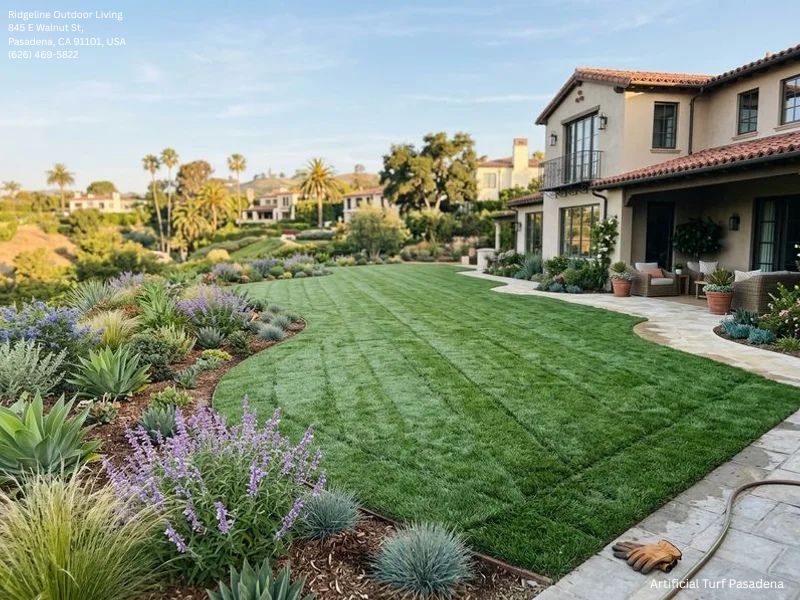
Other lawn alternatives often age better. Groundcovers, meadow-style plantings, gravel with structured planting, and mixed perennial borders can all replace underperforming grass. The key is design discipline. A no-lawn yard can be beautiful and valuable, but only if it looks intentional. Random rock and sparse plants landscaping guide rarely help a sale.
Outdoor living spaces sell a lifestyle
A backyard starts creating serious value when it supports daily life. That does not require a full outdoor kitchen. It requires a believable use case.
A dining patio with room for six chairs often does more for resale than a complicated built-in grill station no one maintains. A shaded sitting area can outperform a large but exposed deck in hot climates. A simple fire pit with fixed seating can be a stronger feature than a decorative fountain that needs constant attention. Buyers respond to spaces they can imagine using right away.
Shade deserves special emphasis. Pergolas, shade sails, mature trees, and covered patios can all improve comfort enough to transform a backyard’s real utility. In warm regions, uncovered hardscape can become ornamental rather than functional for much of the day. That limits value.
Privacy matters too. A backyard that feels exposed often underperforms emotionally. Strategic screening with hedges, fencing, lattice, or small trees can make even a compact yard feel more upscale. The best privacy solutions avoid creating a boxed-in feeling. Layering heights usually works better than one imposing barrier.
Drainage is not exciting, but it protects value better than almost anything
If there is one category homeowners routinely underinvest in, it is drainage. Yet poor drainage can undo the benefit of every planting and paving improvement. Standing water kills roots, stains hardscape, attracts pests, and can point to larger grading issues.
A backyard should move water away from the house and prevent pooling in major use areas. Sometimes the fix is as simple as adjusting grade and extending downspouts. Sometimes it means French drains, swales, catch basins, or permeable surfaces. The right solution depends on the soil, slope, and runoff patterns on the property.
This is where experience matters. I have seen attractive patios installed over unresolved drainage problems, only to develop movement, staining, and frustration within a couple of seasons. The patio itself was not the mistake. Ignoring the water was.
If your backyard has soggy corners after rain, address them before cosmetic upgrades. Buyers may not understand the exact fix, but they know how to interpret mud.
Budgeting with return in mind
Not every improvement needs to happen at once. In fact, phased projects often produce the best decisions. Install the structural elements first, then layer in planting and finishing details. A good sequence prevents rework and helps each dollar stretch.
If the goal is resale within a few years, prioritize broad appeal over niche preferences. Neutral hardscape materials, cohesive planting, and low-maintenance features tend to outperform highly personalized installations. A koi pond might delight one buyer and worry ten others. A clean patio, healthy tree canopy, and tidy planting beds appeal to almost everyone.
There is also a point where spending stops producing meaningful return. Luxury landscape features can be worth it in high-end neighborhoods where outdoor living is expected. In more modest markets, overbuilding the backyard can make a home the most expensive property on the block without delivering equivalent resale value. Context matters.
Mistakes that commonly drag down resale appeal
- Oversized plantings that block windows, crowd patios, or require constant trimming. Too many disconnected materials, such as three kinds of pavers, random stone borders, and mismatched fences. Neglected Tree Care, including dead limbs, root damage, or obvious hazard concerns. High-water landscapes in drought-prone areas without Water-wise irrigation upgrades. Decorative features that read as future maintenance, not future enjoyment.
One of the easiest ways to avoid these mistakes is to step back and assess the yard as a buyer would. Does the space look easy to understand? Can someone tell where to sit, walk, and entertain? Does the planting look healthy enough to trust? Those instincts are powerful.
Small upgrades that often have an outsized effect
Even when a full renovation is not possible, targeted improvements can sharpen value. Re-edging beds, refreshing Mulching, cleaning hard surfaces, pruning shrubs correctly, replacing dying plants, and updating lighting often create a noticeable lift. These improvements work because they improve legibility. The yard starts to look cared for.
Paint or stain on fences can also make a surprising difference, especially if the boundaries of the yard are visually dominant. The same is true for replacing a flimsy gate or repairing leaning sections. Buyers read the perimeter as part of the property’s condition.
Container plantings can help too, as long as they are simple and scaled properly. Two large pots flanking a patio entrance usually do more than six small mismatched containers scattered around the yard.
The best backyard value comes from coherence
The most valuable backyards are rarely the most expensive. They are the ones where every choice supports the next. Hardscaping defines movement and use. Gardening softens the structure. Native plants and Low-maintenance gardens keep upkeep reasonable. Garden Mulching ties planting beds together. Tree Care protects mature assets. Water-wise irrigation supports the whole system efficiently. Xeriscaping, where appropriate, lowers long-term cost without sacrificing beauty. Artificial turf, used selectively, solves specific problems instead of pretending to be a cure-all.
When those pieces come together, a backyard stops feeling like leftover land behind a house. It becomes part of the home’s value story. Buyers can see themselves there, and just as important, they can see themselves managing it without regret. That combination is what turns a pleasant yard into a profitable one.